Tips & Tricks: Get the Most Out of Your Bike – Get it Fit!


Getting the most out of you bike requires a lot of work and effort. Part of that work is performing regular maintenance of your bike like lubing the chain, checking and pumping the tires, washing the bike and having your favorite mechanic check the bike once or twice a year.

Beyond your regular tuning, the best thing you can do to get the most out of your bike and to help prevent injury due to bad form is to get your bike properly fit. A bike fitting is more than just setting your seatpost at the right height, it’s about putting your bike in the correct place for you to get the most efficiency out of each peddle stroke, alleviate any muscle soreness you are experiencing and help to prevent future injury. While bike fittings are important for all types of riders, road bikers benefit the most from a professional fitting.

Photo Credit: Velodramatic

Riders for top teams like HTC-Highroad, Saxo-Bank and Garmin-Cervelo have their bikes professionally fit by the manufacturers (Specialized using BG Fit for the first two, Cervelo for the latter) for not only power, efficiency and injury prevention, but also for aerodynamics on the time trial bikes.

Photo Credit: Velodramatic

For those of us not-so-professional riders, the best person to fit your bike is someone trained in the science of bike fitting and skilled in the art.

The many aspects of a true bike fitting include: type of bike (pure racer, endurance, touring or aero), frame size (including top tube length, seat tube height and stand over height), bar width, drop length, stem length, stem angle, bar angle, gear lever placement, type of seat, seat post height, seat position (fore and aft), foot position at mid-stroke and knee angle at the bottom of the peddle stroke. A skilled bike fitter can make all of these angles and interactions not only work for you, but make each peddle stroke more efficient, more powerful and more comfortable for the rider.

When you get your first road bike, you may be uncomfortable with the typical 45 degree angle position, especially if you just transitioned from a hybrid or mountain bike. So the fit of your bike can change depending on your comfort level with a road bike and your skill level. You will notice changes in the seat post height or stem length immediately after they are changed. But as you progress in your riding you will appreciate the subtle changes like fore and aft positioning of the seat and handle bar angle just as much.
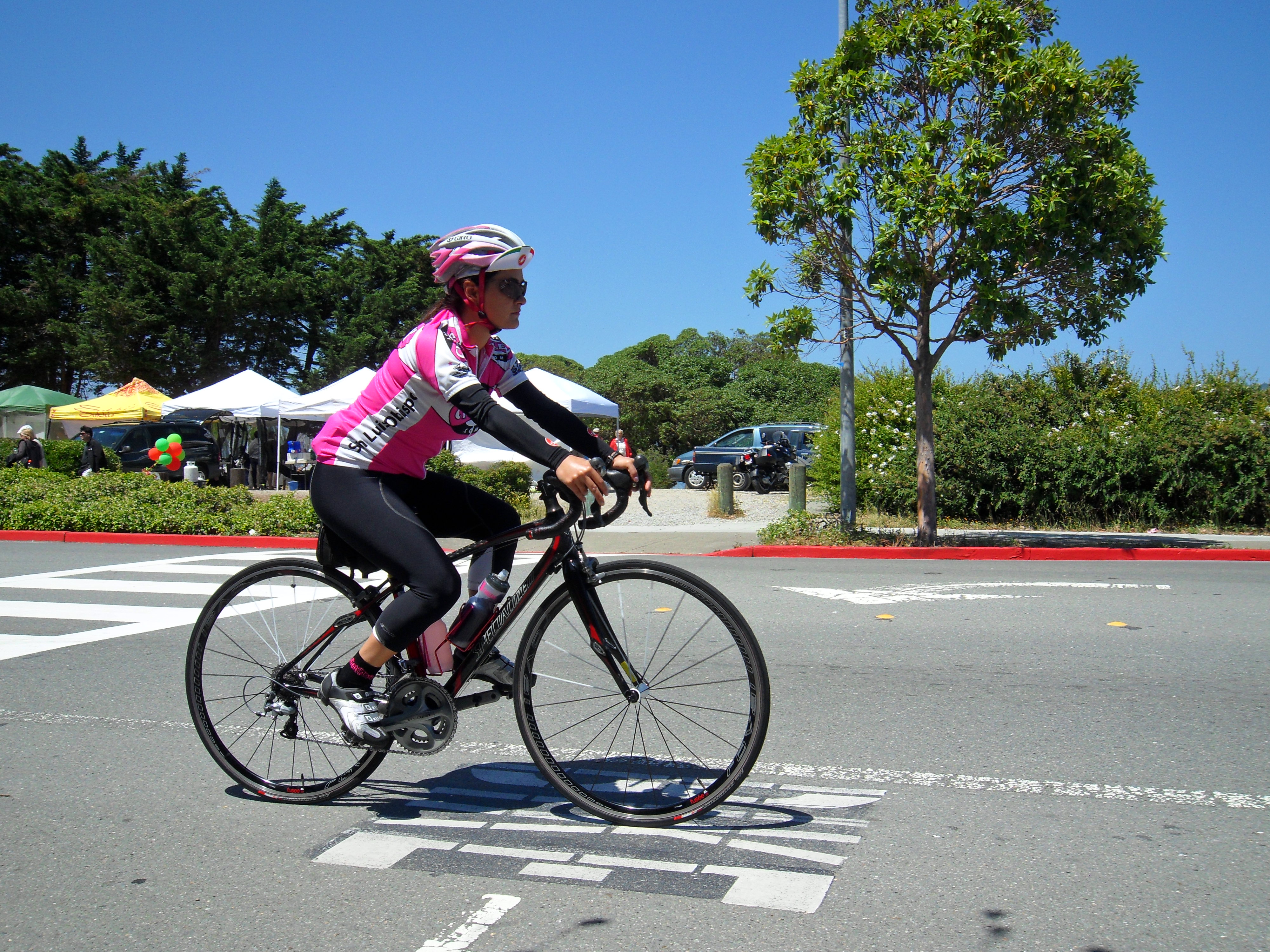
Both of us have had our bikes since we began road biking just over a year ago. Miko’s initial bike fitting was designed to make her comfortable in her transition from a hybrid to a road bike. Her seat post was a bit lower, her stem was angled up and the seat was closer to the stem. The design of her endurance road bike allowed it to take on the hybridesq fitting, while still giving her the road bike experience. This was the right fit for her at the time.

After over a year of riding and minor adjustments to her seat height, Miko was ready for an updated fitting. We took Ruby into A Bicycle Odyssey to have Tony perform an updated fitting. He took her measurements on the bike and checked the handlebar width. He started with adjustments to the seat post height, flipped the stem changing it from an upward angle to almost flat, ensured her handle bars and hoods were positioned such that her back made a 45 degree angle with her bike in the hoods and her elbows slightly bent, while ensuring he back was almost flat in the drops.

The positioning change made the saddle uncomfortable, so after trying a few different saddles, a new one that matched her positioned was installed. The seat position from the stem was adjusted to reduce chafing in this new position. Finally, all of the angles were one again checked to ensure maximum efficiency. During the first ride she commented she felt she owned a new bicycle.
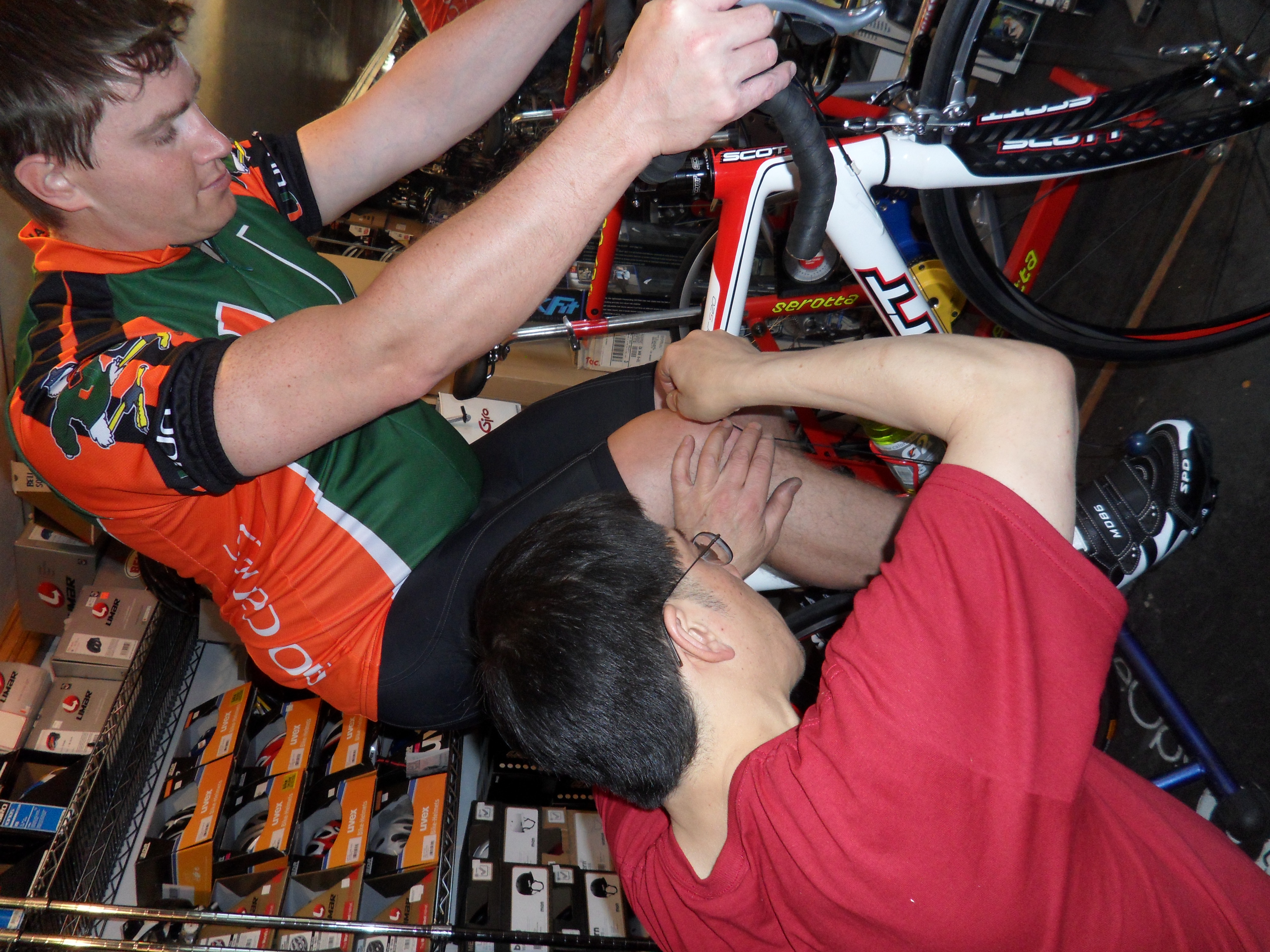
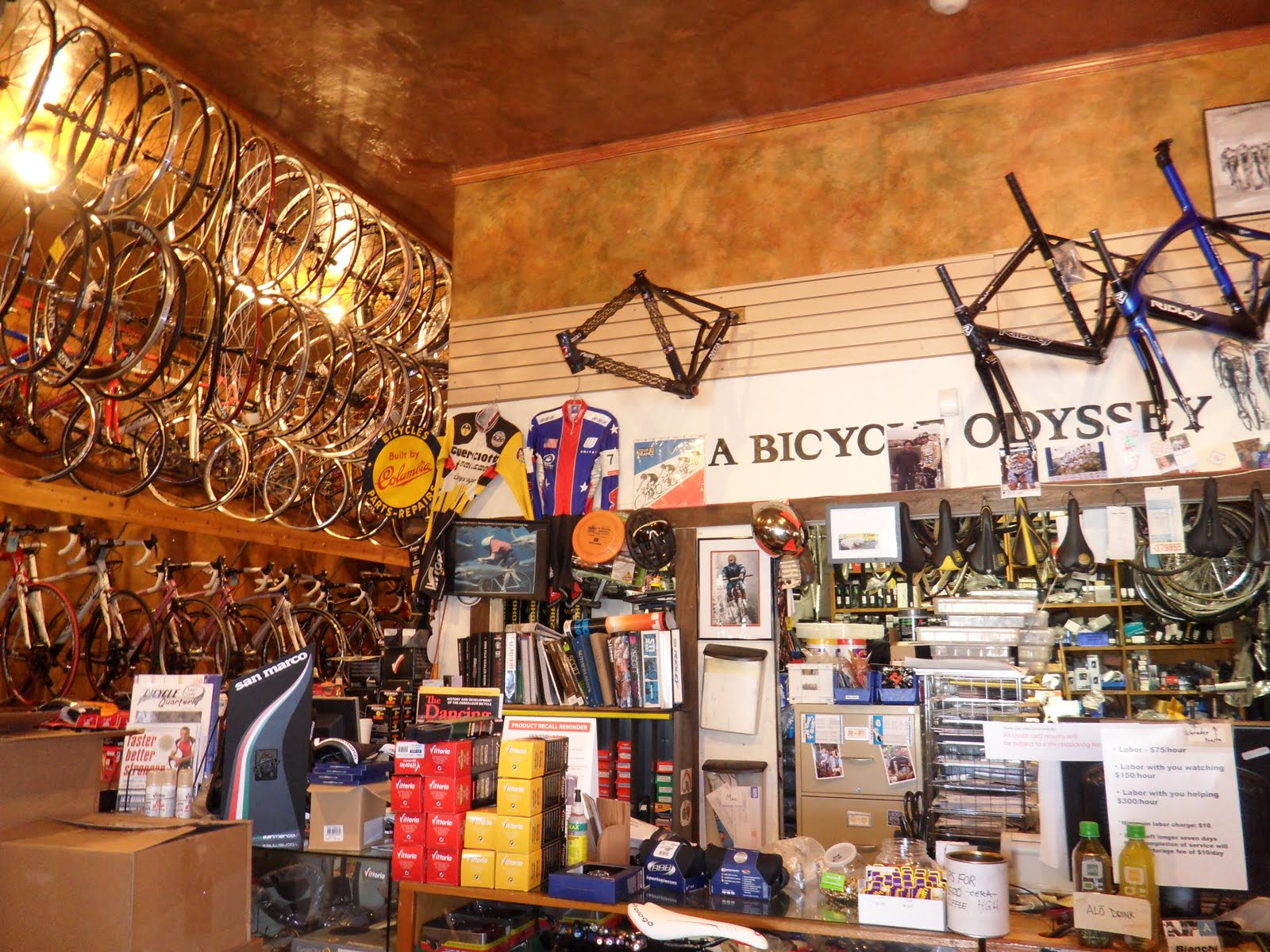
Jon purchased his first road bike from A Bicycle Odyssey. Part of the purchase price includes a fit by Tony. Transitioning directly from a hybrid bike is a huge change in position, control and speed. On his test ride, the bike felt like a great fit, except for the reach, which was a bit long. During Jon’s fit, Tony swapped the stem with one 10mm shorter. He then continued with a full fitting of the bike as described above. The Result: an amazing and efficient ride that allows Jon to ride long distances without pain, or go for short, hard rides without his back and knees paying the price the next day.  When Jon got his second road bike, he made sure to also have a fit done.

Whether you are a beginner or an experienced cyclist, a good fitting can help you improve your cycling, help reduce pain you experience while cycling and make riding a more enjoyable experience.

Tips & Tricks: Riding in the Rays: Sun Protection While Cycling


BIKING, THE SUN AND YOU
Sun damage and wrinkles are never attractive, on or off the bike. Excluding beach vacations, cycling can easily be when we are most vulnerable to UV rays, as anyone who’s ever had a bad case of “sunglass tan” after riding would agree. We don’t cycle inside a toaster, so just because there’s cloud cover and cool temperatures don’t assume you won’t get burned. What you don’t see can hurt you.

FACE IT

For the face it is not essential that sunscreen be sweat or waterproof, as all sunscreen should be reapplied just as frequently: approximately every two hours, especially on an area where you perspire heavily. Waterproof creams and lotions can feel sticky, waxy and cause breakouts. Instead chose something comfortable that suits your skin type, is portable and easy to reapply. Sunscreen for the face and body are formulated differently and should be separate, just like soap – yes, gentlemen there is a distinction.

Neutrogena Ultra Sheer Liquid Daily Sunblock SPF 70 has a lightweight formula that absorbs instantly without the telltale white residue left behind by conventional sunscreens with zinc oxide. It’s possible to layer small amounts along your ride without creating cakey build up and in a 1.4OZ bottle will barely make a dent in your back pocket.

Powder Sunscreen like Colore Science Pro Sunforgettable SPF 30 contains titanium dioxide, preferred by dermatologists because unlike chemical sunscreens it creates a physical barrier to the sun’s rays. A light coating of this super fine, water resistant powder stays put without the heavy load of waterproof lotions and is an excellent choice for oily and acne prone skin. The skin toned powder also buffs the complexion when applied with the brush applicator, especially handy when there’s no sink and soap available as it’s possible to reapply sunscreen without the potential of speeding grime or bacteria on the face from your hands.

The two kinds of products can used together for more complete protection.

BODY CONSCIOUS

Outside the obvious health benefits of wearing sunscreen, like preventing skin cancer, “cyclist’s tan” (a kin to farmer’s tan but derived from cumulative tannings in jerseys and shammy shorts) is never sexy at the beach or in the bedroom.

Sports oriented, spray-on sunscreens are easy, expedient and thorough. Avoid choosing a formula so bent on waterproofing that it coats like acrylic paint. Like shampoo it’s not about how much you use but about covering every area.

Look for products like Neutrogena Ultimate Sport SPF 100 that mists on in a fine spray, coats evenly using an effortless trigger, smells pleasant and leaves skin feeling soft. Always spray before you dress but after you butter up and be sure to air dry. You might want to close the blinds.

Scientists stress that there is no improvement in protection beyond SPF 30, yet manufacturers continue to make products up to SPF 100 because people are seduced by the allure of more protection even at greater costs. From personal experience, when forgetful about reapplication these higher protection factors seem to be more forgiving and the fairer skinned swear by it.

Ultimately if a product you like has an SPF of 30 you will be adequately protected.

DRESS UP

For those who want to avoid a sticky mess altogether, protective clothing with built in SPF is the best alternative. Arm sleeves with SPF, which fit like arm warmers but are lightweight and moisture wicking, like Gore Bike Wear OZON III SPF 50 Arm Protectors and Louis Garneau Matrix Arm Sleeve 50 UPF/SPF provide sun protection that unlike sunscreen on skin won’t wear off no matter how long the ride. Trendy, fashion oriented alternatives are made by companies like Canari for women.

However, these need to feel comfortable enough to wear for the duration of the ride without any sun protection underneath as a backup. Even though they are designed to keep you feeling cool, on a really hot day arm warmers aren’t intuitive for everyone.

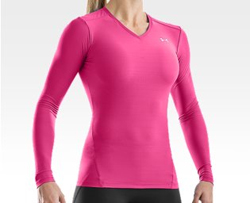
Cyclists who want to eliminate the day-long discomfort of pinching from arm sleeves may prefer long sleeve Under Armour Heat Gear shirts with 30 UPF/SPF especially in the winter, which worn underneath jerseys provide an added layer of warmth using a high tech fabric that also wicks sweat away. These multipurpose shirts are a great investment when you can use them for other outdoor activities like running, hiking and skiing.

While not a replacement for facial sunscreen, used as added protection (and to accent your getup), cycling caps or visors fit nicely underneath helmets and the bill provides shade for the face without obstructing your view. Caps mask dreaded helmet head after riding in a way that’s stylish and wearing these caps in general makes a fashion statement that embraces bike culture whether or not you’re riding. HOWEVER, caps do not replace helmets. Shielding your face from the harmful rays of the sun means nothing if your brains are scattered across the road.

WHY CARE?

Skin cancer is the most common form of cancer, accounting for half of all cancers in the US. In the US alone 68,130 died from Melanoma in 2010 compared to 630 bike fatalities on the road in 2009, most likely without a helmet. Considering the lengths we’ll go to as cyclists to steer ourselves out of danger and fight for our rights in traffic, why wouldn’t we take care of matters in our own backyard to save our skin?

Tips & Tricks: Bike Buying for Smarties


Family Portrait


Buying a bicycle is about more than just dishing out the dough. It’s also making an emotional commitment to riding it for what it’s worth: making time for it in your life and space for it in your garage or even studio apartment. We determined its worth based on planned frequency of use and the cost per rental over time. We became bike fanatics and made bank on our investment. But we had no idea what we were doing, where to even buy a bike or what kind of bike to buy when we got there. Things were not as simple as they used to be.

As a kid, buying a new bike meant you had outgrown your last.  Whether it was finally dropping the training wheels, a growth spurt or crashing your BMX one too many times, your next bike was a minor iteration from your last and usually came from the same local big-box store, where the selection and prices were the same.  Single-speeds were the name of the game and the most you’d pay for a bike as a kid (back then) was $60-$100.

BMX bike from Wal-Mart $100

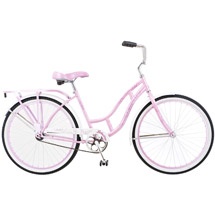
Women's City Cruiser from Wal-Mart $100

For the beginner, these early bike purchasing experiences are as much knowledge as most people have. So seeing a $600 price tag on a low-end hybrid could just blow your mind! When you’ve outgrown the bikes at Wal-Mart, how do you know you’re getting what you pay for?

After the fortune and misfortune of having to purchase four bikes in the past eight months ranging from commuter oriented hybrids, a women’s specific full carbon fiber road bike, to an aluminum frame road bike on a budget, we’ve earned our stripes in bike buying expertise. Here’s what you should know.

Think Before You Buy

Critical Mass in San Francisco

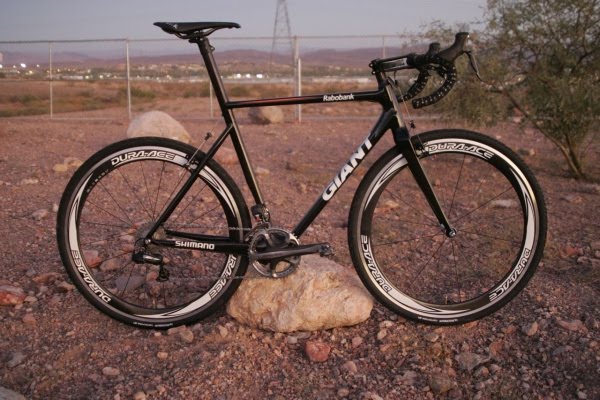
Buying a bike and buying a car have a lot in common.  The range of bicycles on the market is as diverse as the people who ride them (see above).  From purpose driven bikes like single-speed commuters and comfortable hybrids, to recreational ones like hard tail and dual suspension mountain bikes, to competitive sports bikes like the road, cyclocross and triathlon bikes. A premium bike can easily cost as much as a car!  Knowing where and how you plan to use your bike and how often will determine the type of bike you need and how much you should spend. Spending some time online at sites like those for SpecializedGiantCannondaleScott or Trek to familiarize yourself with your options before visiting bike retailers so you know what to expect. These sites can also direct you to their dealers in your area.

Giant Cyclocross Bike

Here are some quick questions to ask yourself as you get started.  Don’t worry if your answers change during the purchasing experience, our answers changed as we both saw more and more bikes. (You may want more than one. Our friend Mark and his wife own 16 each.)

1.     Determine the purpose of your bike: Commuting, recreation, racing, training, etc.

This helps you to know which type of bikes to rule out and which to test. If you have no specific preference try test riding a hybrid, mountain and road bike. You may find they can be used interchangeably for some purposes and used based on preference.

Cannondale Road Bike

2.      Identify your terrain: Where you ride will determine what you ride.

-For a hilly city like San Francisco, a multi-geared hybrid might be the best solution for a daily commuter, though some fit locals still manage on their single-speeds.

-For a flat city like New York City, the single-speed bikes might be all you need to cover flat pavement.

-Dirt trails? Both mountain bikes and comfort hybrids can use wide, low-pressure tires that easily tackle this terrain. Cyclocross bikes combine the competitive nature of a road bike with the off-road capabilities of the mountain for the die hard.

-Mountain trails? You can find hard tail mountain bikes with front-suspension only for moderate trail riding or a dual suspension bike for extreme off-roading.

-Pavement and paved paths? A speedy road bike is calling your name!

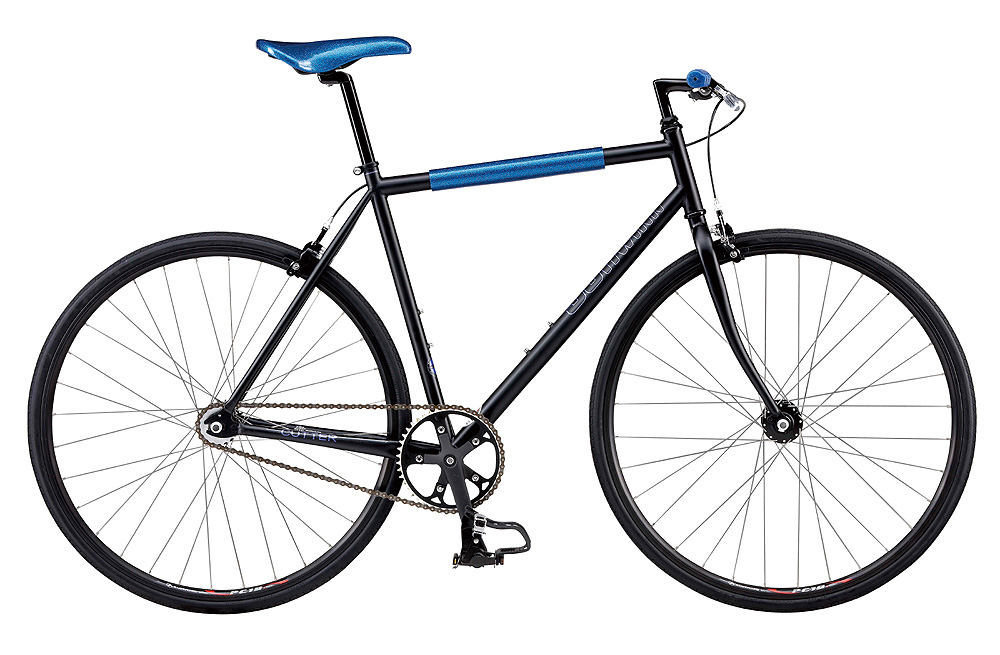
Single-Speed Hybrid

Show me the money! 

Just so you’re perfectly aware . . .

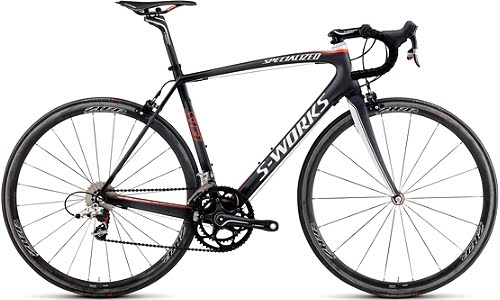
2010 Tour de France winner Alberto Contador’s Specialized S-Works Tarmac SL3 LTD racing road bike (available for purchase!) costs $9400.


2010 Tour de France winner Alberto Contador's $9,400 Specialized S-Works Tarmac

The same manufacturer, Specialized, makes an entry level road bike for a tenth the price.

$900 Specialized Secteur

Their recreational hybrids run as low as $440.  

Used bikes can be found on the cheap on sites like Craig’s List but without knowing how (or whether) the bike has been maintained, you could be looking at high costs in refurbishments, a short life span or a total lemon. New bikes cost more, but there’s a certain satisfaction knowing no one’s ridden in that saddle but you.

The Search for the Perfect Bike Shop – Purchase AND Maintenance

The store with the cheapest advertised prices or largest selection on display may seem obvious but not necessarily be the best place. Smaller bike stores frequently keep their inventory in basements, so don’t be fooled! New bikes have an adolescent-like growth spurt and require attention and maintenance shortly after putting on mileage, especially for cable stretch. Friendly advice from the mechanic working on your bike could also save you additional repairs, parts and trips to the shop. As important as it is to love your bike, it’s equally important to find some loving hands to care for it.

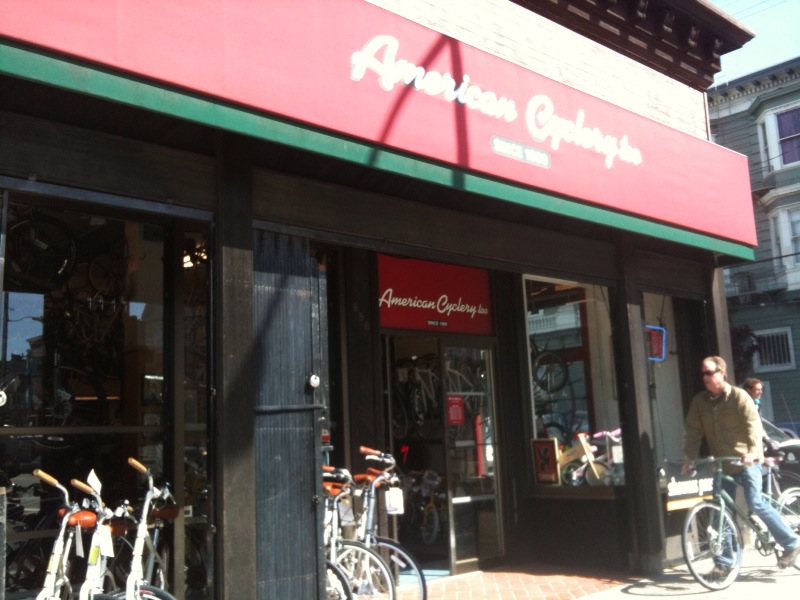
American Cyclery, San Francisco, Ca

American Cyclery Too, San Francisco, Ca

Like cars, good mechanical work doesn’t (nor should it) come cheap, which is why time specific (i.e. 3 month or 1 year long) unlimited service plans are highly desirable and sometimes come free with purchase. A service plan is only as good as the technicians who execute it. Make sure you like the people you’re dealing with. To find a maintenance location more convenient to where you live, work or ride, check out reviews from bike savvy Yelpers on yelp.com.

We purchased our hybrids from American Cyclery Too, Miko’s Ruby from American Cyclery and Jon’s Speedster from A Bicycle Odyssey.

Inside American Cyclery

Inside A Bicycle Odyssey, Sausalito, Ca

Never settle for less.
YOUR bike is out there. 

Don’t let another person convince you that a bike that just feels wrong is the right bike for you. If you feel uncomfortable or dissatisfied on your test ride (a MUST) just think how unhappy you’ll feel riding it after you’ve paid for it. MINOR modifications to adjust the saddle, stem and handlebars can enhance a bike you already like, but don’t count on them to fix a bike that just doesn’t fit. Move on.

Finding the right bike is equivalent to the avatar selecting its banshee (winged dragon/ mode of transportation) you select it as much as it selects you. Out there was a bike manufacturer who created a bike with you in mind and it’s waiting to meet you. And when you make contact, you’ll know. If you saw the movie ‘Avatar’ you’ll know that this process wasn’t easy for them either.

Finding the perfect bike is an exercise in frustration.

We plowed through five stores before finding a bicycle that other stores said could not even be manufactured in my size. I contacted 12 stores in the Bay Area to locate a road bike to accommodate Jon’s size, specifications and price range.

Jon's Scott Speedster S20 at the Golden Gate Bridge geared up with all you need to ride: Cannondale Saddle Bag, Bulldog U-Lock, Camelback Water Bottles, Cats Eye Strada Wireless Bike Meter, Morph Road G Master Blaster Bike Pump, RAVX Bar End LED Lights

I fell in love with a road bike and had to put a down payment to secure one of the last four left in the world.
But all that’s another story . . .

The birth of Miko's Specialized Ruby Expert at American Cyclery, born April 3rd 2010

Golden Gate Bridge Sidewalk Closed — May 31, 2011


On May 31, 2011 the West Side of the Golden Gate Bridge closed for renovations.  The renovations are scheduled to last thru September 2011.  For more information, see the Golden Gate Bridge Highway and Transportation District information page here.

The West Side is known as the “bike side” of the bridge.  Typically, this side is open for cyclists from 3:30 pm to sunset Monday through Friday and 5am to sunset on the weekends.

But now, cyclists at all times of day will have to deal with the pedestrians and tourists present on the East Side of the bridge.


The interaction between pedestrians and cyclists is tenuous at best and hostile at worst. On a typical weekend, over 5,000 bicyclists cross the Golden Gate Bridge. The next four months are high season for tourists and for cyclists who are training for tours and competitions.

The hardest part of crossing on the pedestrian side of the bridge is inattentive tourists who don’t think bikes belong on their side.  Or the teenagers with headphones in who don’t hear the bikes announcing their presence over their music. To experience what it is like to bike across the pedestrian side of the bridge, check out Ridin’ Dirty below.

Over the next four months, the pedestrians will need to be aware of how crowded the bridge will be.  Hopefully, signs will be posted to make the pedestrians more aware of the bikes and hopefully they will pay attention.

These next four months will require lots and lots of patience from the bicyclists and understanding from pedestrians.  Let’s hope this occurs.

Until then, be careful crossing the bridge.