Tips & Tricks: A Harsh Reality of Biking – Bike Theft


There is a sinking feeling of walking up to a bike rack and noticing that there seems to be one less seat post in the air and realizing that missing seat post is yours. When it happened at a restaurant only three blocks from home that realization was rattling. In San Francisco the problem isn’t just common it’s an epidemic. According to lock manufacturer Krypotonite, this is the 6th worst city in the US for bike theft.
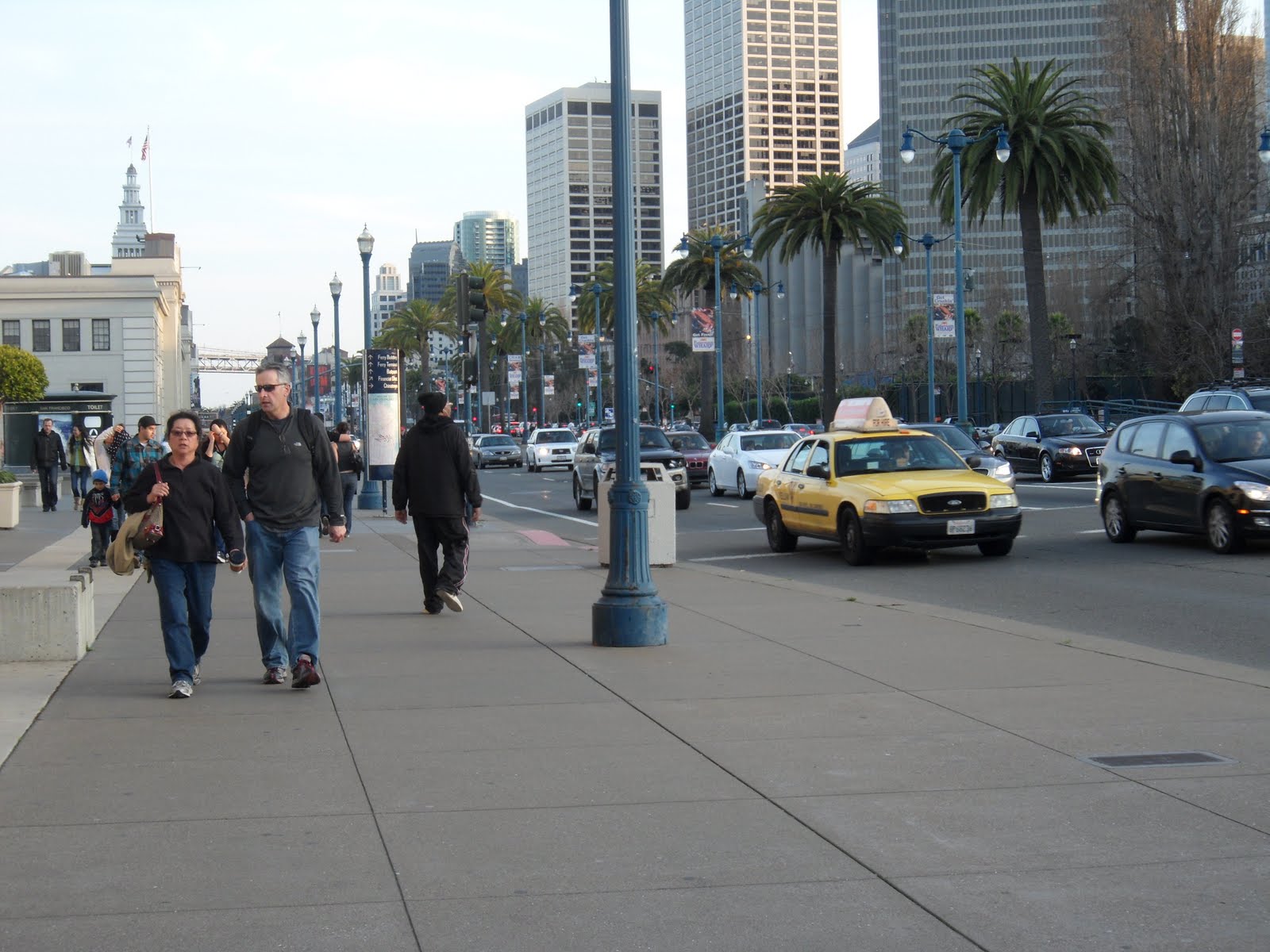
(The belief that crowded areas deter bike thieves is but a myth. The bustling, preoccupied crowds overlooked the wire cutter on the Embacadero where Jon’s bike was stolen.)

Even though the National Bike Registry estimates that 1.5 million bikes are stolen each year, don’t expect a government task force to clean up the problem any time soon. The threat is real and the only solution is to take precautions to prevent theft and precautions to enable a likelihood of recovery or at least financial recovery should it happen to you.

As the Boy Scout Motto goes: BE PREPARED!

No local bike registry exists, but there is a National Bike Registry. This agency works with police agencies around the country to return stolen bicycles to their rightful owners who have either registered their bike prior to it being stolen, or who register a stolen bicycle. Registration is $10 for 10 years for one bike, or $25 for 10 years for an unlimited number of bicycles in the same household which gets you a thief deterring sticker engineered to be indelible that identifies your bike as listed with the National Bike Registry. Registering a stolen bicycle is $0.99 and it will stay on the list for six months.

PREPAREDNESS:

1. Save your bike’s information — Your receipt should include:

– Your name and address;

– The serial number of your bike; and

– Bike shop where you purchased it.

Keep a in a hard copy safe place. Also, make a digital copy and store it on your computer or emailed to yourself. Also, take a photo of the serial number on your bike and of the bike itself.

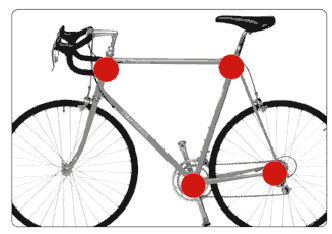
Use this guide from the National Bike Registry to locate the serial number on your bike.

2. Have homeowner’s or renter’s insurance — There’s no such thing as bike insurance in the United States, your bike will only be covered under a homeowner’s or renter’s policy. This especially makes sense for high-end bikes with high value. Or if you rely on your bike for transportation, such as to and from work, and need reimbursement for the bike immediately without the timeliness of having to save for a new one.

DETERRENTS:

We knew a bartender in the market for a bike, so we made suggestions on bikes and shops – the bikexperts that we are. The next time we saw her we asked if she’d found a bike. She had. She’d literally “found” a bike. “It was just sitting there and by the time my friends and I came out again it was still there. So I took it.” And the poor fool that never bothered to lock up their bike had to walk all the way home.

If left unlocked, even if you have insurance on your bike they aren’t required to pay your claim. Like helmets, bike locks are not optional.

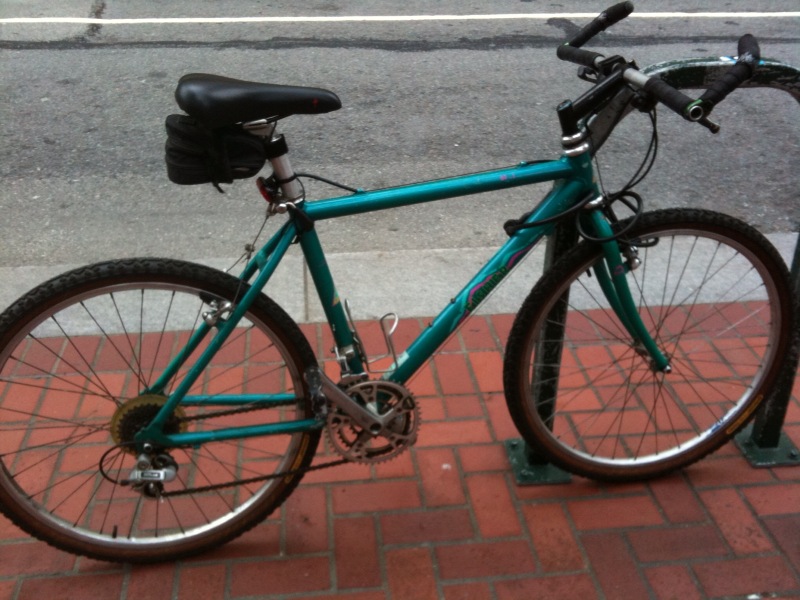
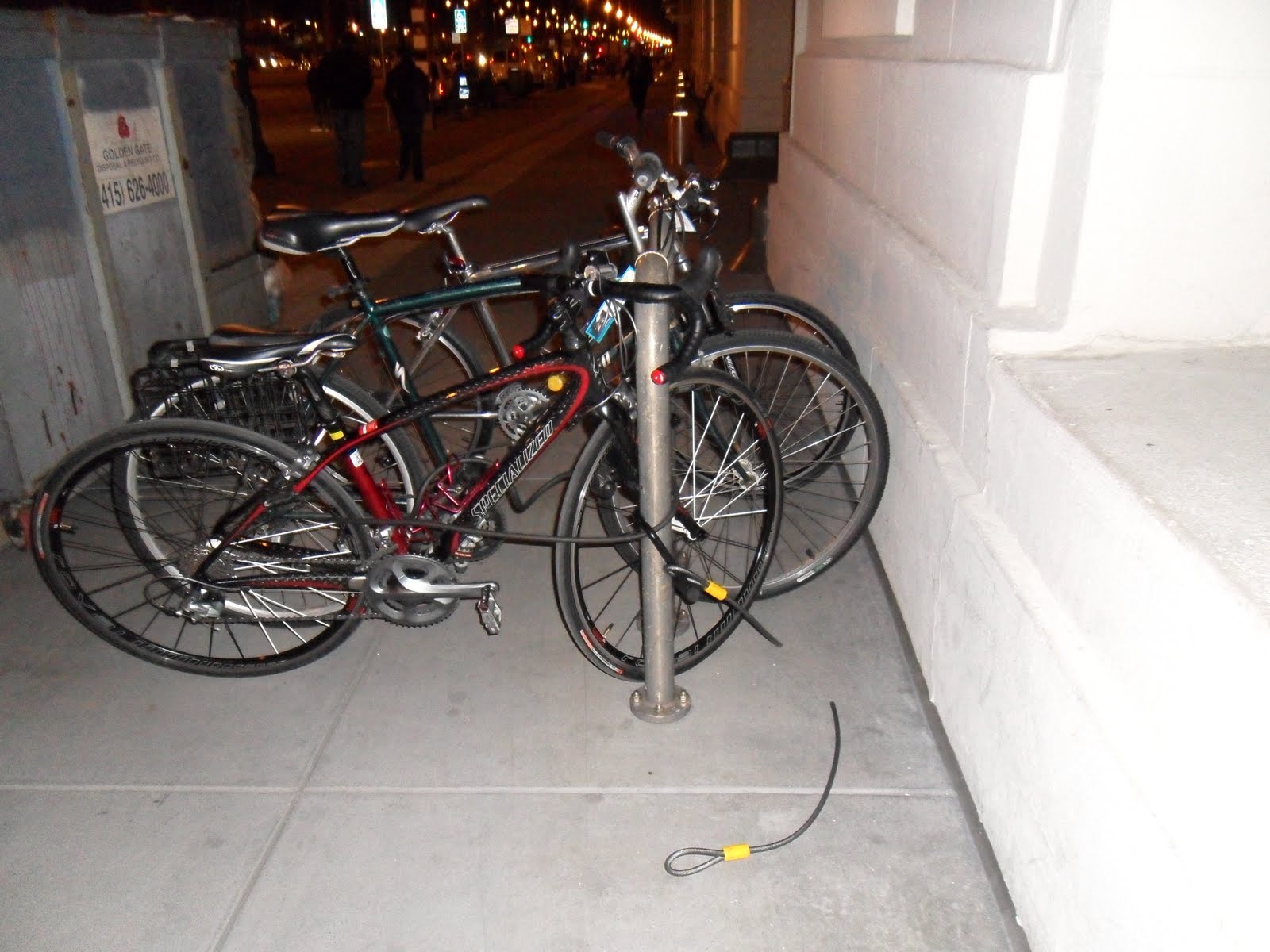
1.  Use the lock properly — Place the U-Lock around the frame, at least one wheel and the bike rack.  A cord tying in the other wheel is a good a secondary measure, but the cord alone will not protect your bike by itself…Trust me.  For more information see the National Bike Registry and this awesome article from FunkedUpFixies.

Though cord locks are lighter, they are less effective and can but cut easily.  Here the cord only goes around the frame and does not tie in the wheels. One more thing that can make worse off, even if your bike isn’t stolen, your saddle bags, lights, pumps, etc. can easily be removed and stolen by anyone.

2.  Keep your eyes on the prize — One way to prevent bike theft is to keep your eyes on it whenever it’s locked up – only break or eat where you can see your bike.  In the time it takes to notice an all too curious admirer of your bike with a bolt cutter, you’ll be able to run after the person (while on the phone with the police) and apprehend/report/photograph the thief.

3.  Patronize places that are bike friendly — Bike friendly can mean that they let you bring the bikes into the store or restaurant, provide a secure area to park your bike, or have a bike rack directly in front of the store windows.

RECOVERY:

1.  CALL THE POLICE RIGHT AWAY! — This DOES NOT mean call 9-1-1, that is for emergencies only.  Find the non-emergency line for the police of the city where your bike was stolen, call in and make a report.  In San Francisco 3-1-1 is the number you can call to report a stolen bike.

2.  Be clear and specific in the report — It will take 10-15 minutes in order to properly report the theft.  Details you will need are:

–  Location of the bike rack or other object your bike was attached to;

–  Time you locked up your bike;

–  Time you found your bike missing;

–  Make, model and year of your bike;

–  Anything that is specific to your bike (i.e. yellow stripes on your tires, a marking on the bike, etc.);

–  The serial number of the bike — you can file “additional loss form” or “report amendment form” after your initial report if you don’t have this handy; and

–  Have a copy of the report sent to you, preferably by email, you will need the report number when reporting the loss to your insurance company.

3.  If you have renters or homeowner’s insurance, file a claim — File this as soon as possible. Have the information from the police report and the report number handy when making the report.  The sooner you report your loss, the quicker you can get a replacement.

4.  Report all of your bike’s upgrades — When you talk with your insurance agent about the loss, make sure to mention anything else of value that was added before it was stolen, like the SPD clips, S-Works tires and Body Geometry saddle on my bike that almost doubled my insurance recovery.

When you first realize your bike is stolen, there is a feeling of being violated.  No matter if it’s your mental escape from everyday life, your exercise, or your commute, it is more than just a material object. It’s fine to grieve about the loss and the unfairness of theft, but when it first happens, you need to act rationally and report the incident quickly.

MISSING
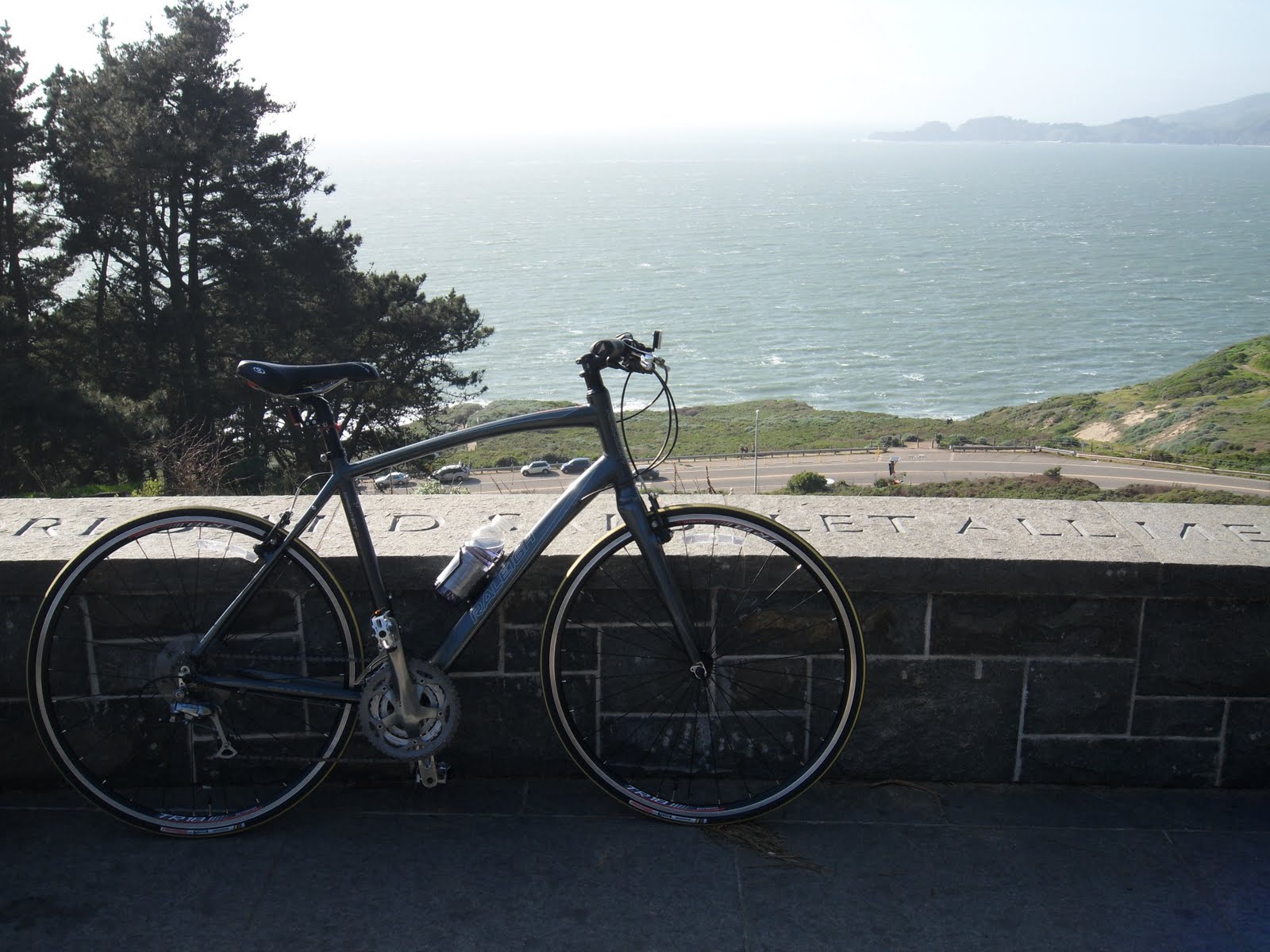
2010 RALEIGH CADENT FT3

GREY WITH YELLOW PIN STRIPES

YELLOW STRIPE ON FRONT WHEEL (PICTURED HERE)

SOLID BLACK REAR WHEEL

BLACK SHIMANO A530 PADDLE/SPD CLIP PEDALS

BLACK BOTTLE CAGE WITH PUMP MOUNT

BLACK SPECIALIZED BODY GEOMETRY SONOMA 175 SADDLE

Reported Missing May 21, 2010 from Pier 1-1/2, San Francisco, California

Tips & Tricks: Damage Control and Revenge of the Tiny Neon Cyclist


There’s no perfectly safe way to ride a bicycle. Even when you’re done contending with the obvious cars, pedestrians and fellow cyclists, there’s nothing like trolley tracks to derail you or an unleashed dogs to throw you off, literally. (Canine hit and runs are not an uncommon occurrence according to Bicycling‘s Bob Mionske. So, whoof!) You can only do so much you can do to protect yourself but if you’re looking for an extra coat of armor here are suggestions from San Francisco’s Tiny Neon Cyclist.

The Amber Daytime Running Light by Dinotte 

Colliding with a car changes everything and begs the question: why didn’t they see me? In case of a next time, the most obvious protection seems like shining a bright light at less attentive drivers. The problem with regular bike headlights, no matter how bright (or thousands of lumens), is that white light is imperceptible in sunlight. This amber colored light by Dinotte is the same shade as a turn signal or Road Work light, making it visible in the daytime.

See for yourself:

The settings include low, medium, high and several different strobes. (The strobe’s additional benefit is that in can be used to modulate tourists crossing the pedestrian side of the Golden Gate Bridge, who move out of your way because they think your a bike cop.) Rechargeable AA’s and a battery charger purchased separately at stores like Radio Shack make this an economical, eco-friendly choice as well. With two interchangeable sets of battery packs this light will last on a high setting even on long rides.

For those of you with fears of getting hit from behind, the buzz surrounding Dinnote 140R Taillight is getting attention on bike forums worldwide from owners who swear by it for daytime and nighttime use, in spite of the hefty price tag (129.00 USD). Just how bright is it? The following video is pretty compelling.

Why No One Looks Hot in Neon Yellow and Why Everyone Is Wearing It 

Neon colored clothing hasn’t been fashionable since 1980-what (which is coincidentally the only other time I wore spandex), so the trend of fluorescent yellow cycling jackets wasn’t an automatic choice. What were these cyclists in neon yellow thinking? That cars could see them and fashion be damned.

It is absolutely impossible to blend in neon yellow. Whether in the bright sunlight on an ocean highway, in the dark shade of a woodsy trail, even among the colorful traffic in the city streets, you just can’t miss the neon yellow cyclist. These “high visibility” jackets come with sleek styling and flattering fits from makers like Pearl Izumi and Sugoi for both men and women.

Truthfully, any kind of colorful clothing makes you more visible to motorists on any given day and is useful on any part of your body.

Ultimately no matter how luminous and bright you look you can’t account for people not paying attention. That’s why cars regularly collide with each other. You have right to fear because of the difference between you and a  four thousand pound metal fortress crushing against your bare fragile body. Cycling while preoccupied by fear is not only unpleasant its distraction is dangerous. A solid set of bike handling skills can promote confidence and prepare you for anything on the road.

Why You’re Never Too Cool For School 

No one is above a little basic bike skills training, not only for conquering the unknown but for breaking bad habits we’ve picked up like colds from other cyclists. Lori Lee Lown, founder of the Velo Girls, and her team teach a series of bike workshops, geared towards women but open to men, that focus on everything from beginners ‘Individual Bike Handling Skills’ to more advanced ‘Racing Skills and Tactics’.

(Photos courtesy of velogirls.com) 

Alternately for members of REI, free basic bike clinics are offered to members during spring and summer months. There is certainly other coaching available through other cycling clubs and bike shops throughout the country. Ask the store where you bought your bike or Google a search for “bike classes” in your town. There’s much to be learned from publications like Bicycling Magazine and VeloNews which offer tips, articles and product recommendations to keep new and experienced cyclists at the forefront of the sport with advise from experts and professional cyclists.

WORDS OF WISDOM FROM 

THE TINY NEON CYCLIST

Confidence is key. If finding bike couture in Day-Glo or attaching a “warning light” to your bike brings brings your calm to a level where you can enjoy the ride that may be the armory you need. “Whatever helps you sleep at night” becomes “Whatever helps you bike all day” to the cyclist, whether it’s protective gear or an extra water bottle: the goal is to ride on and ride strong. In avoiding accidents experts and experienced cyclists agree on the importance of making eye contact with drivers to make sure they’re paying attention and to humanize you beyond another road obstacle. Sometimes being bright makes no difference to the inattentive driver on the phone or enthusiastic dog. Cycling clothes are frequently made to look sleek in black, but what’s the good if you’re better looking if you can’t be seen.

My “revenge” as the Tiny Neon Cyclist was against my fear of cars, trolley tracks and dogs that brought about my unceremonious “involuntary dismounts” but which created a new and improved Tiny Neon Cyclist, riding with a very, very brightly lit confidence.

Tips & Tricks: The Hat Trick – Why Helmets Do More Than Good Head


I like to imagine that a cyclist riding without a helmet must be some deluded philanthropist on a kamikaze mission to donate their organs to all the deeply distressed, diseased and dying individuals in need that day. It’s more likely a high grade, bike douche arrogance that makes them feel immortal from the kinds of serious accidents no cyclist is immune from. We thank you for your organ donations nonetheless.


With its powerful protection against head injury, the helmet can protect against damage to the brain, regardless of its size and contribution to society. It controls hair, ventilates the scalp and makes the speedier set more aerodynamic. The helmet can also protect your bike.

Our Marin cycling routes have been built around a San Francisco Ferry Building start point due to its accessibility via public transport, such as CaltrainBART and Muni (click to learn more about each). The loops are completed via ferry transport back to Fisherman’s Wharf or the Ferry Building. 

Make no mistake, bikes aren’t handled like wheelchairs, strollers or even luggage. The reality of bikes being leaned up against one another, especially heavy ones, can damage derailers, chains, spokes and wheels. At popular destinations like Saulsalito and Tiburon, fatigued by the sheer number of bikes, it’s hard to blame the onboard staff for not being able to care for us as individuals. The majority are rentals, whose condition are insignificant, hence don’t raise the eyebrows of handlers. However, making a case for your most prized possession might touch the heart of a fellow bike lover who will help find a place to protect it (Thank you Jim!) but don’t count on it.


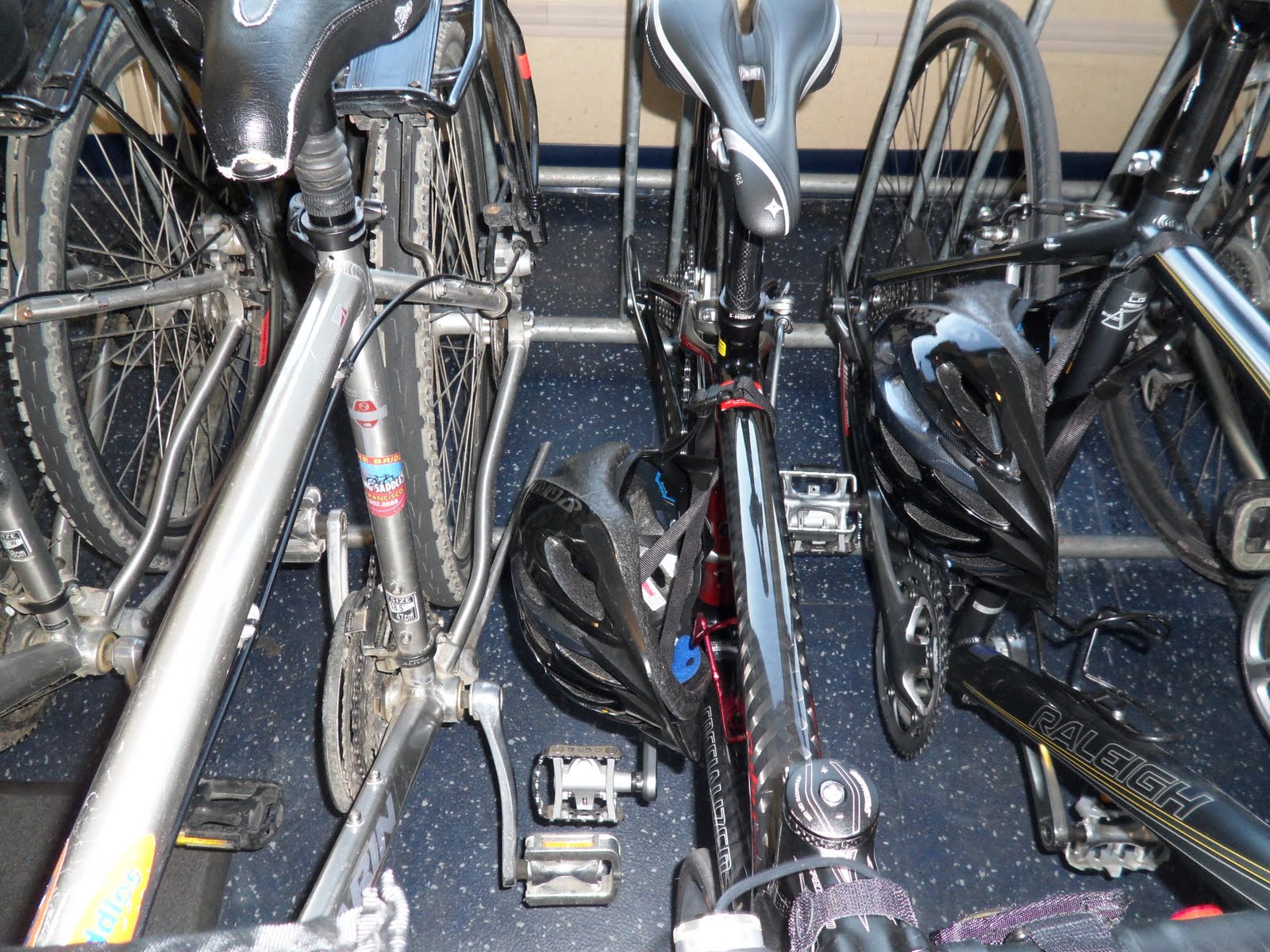
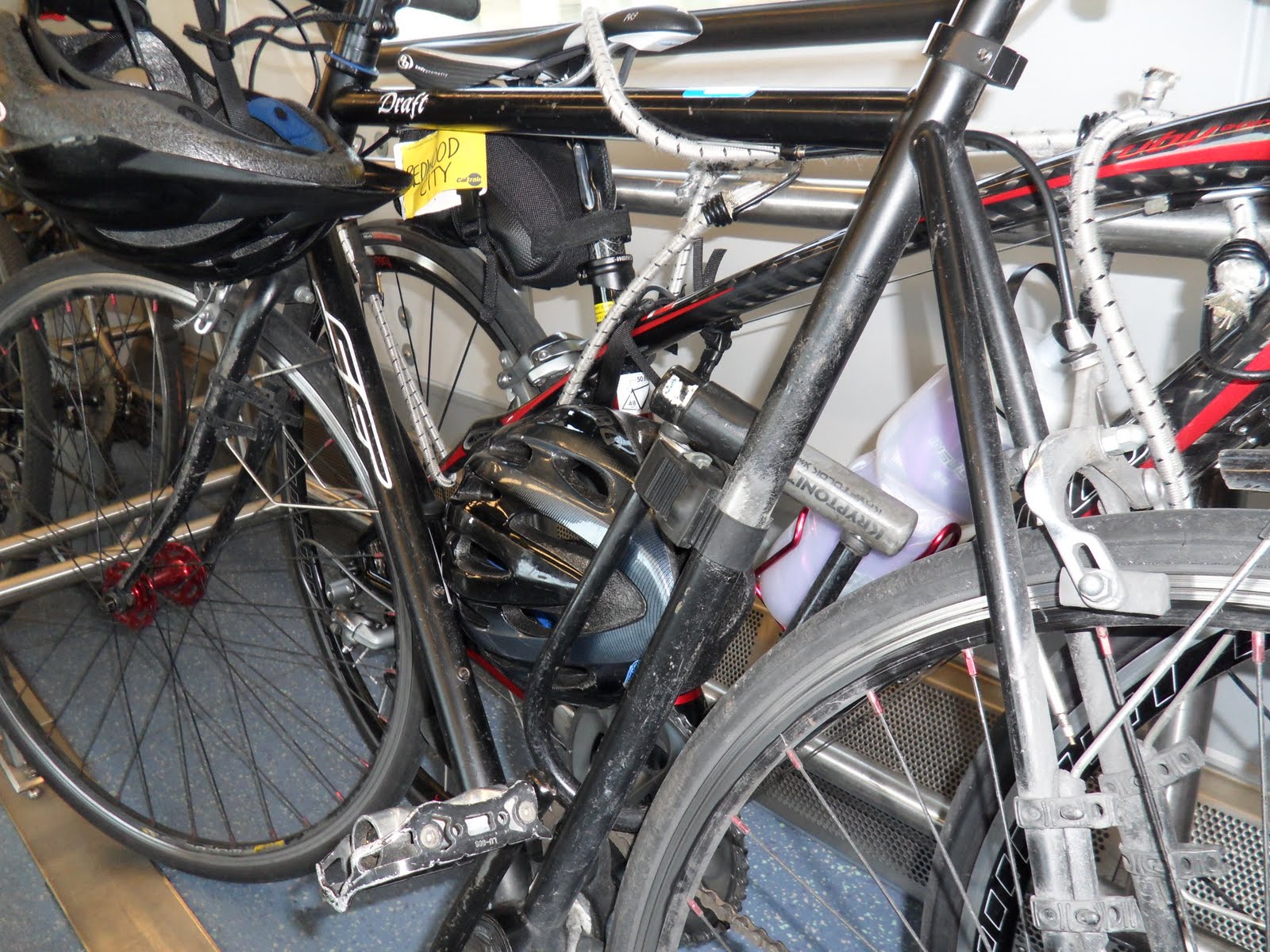
The first step in protection is switching down to the lowest gear ratio to protect your rear derailer. Clasp the helmet straps around the top tube and arrange the helmet head on the same side as the derailers so it’s gently supported by the frame and front derailer but does not put pressure on the chain.


This position will protect the bike by:


1) Prevent scratching to the frame by creating a bubble of space while it is being parked. The sheer inconvenience of the movement of the helmet will create a wider space as it is being handled.


2) When there are bike racks available (hallelujah!) the helmet encourages a wider space between yours and the next parking spot. Selfish? Yes. Worth it? Totally. 


3) When your bike is stacked against another bike, a significant enough space is created by the helmet to protect the crucial elements of the bike. When movement from the vehicle causes the bikes to vibrate or knock against each other the helmets is designed to absorb the shock instead of the bike. 


4) Likewise the helmet allows the bike to be parked against unbalanced surfaces where the helmet can provide a safe distance between the objects and most important bike parts. 


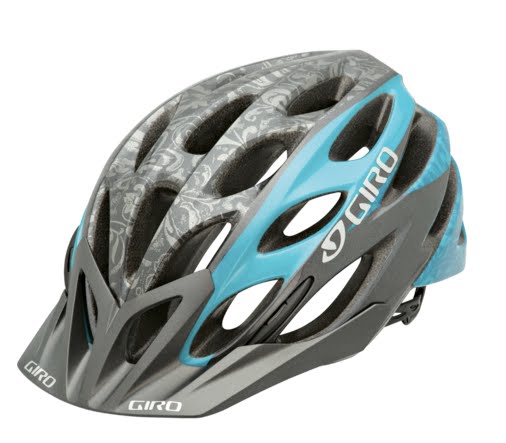
The right strategy for you ultimately depends on your frustration tolerance. A bent derailer might cost $20 to fix, which when done frequently over time can become costly and inconvenient. You may learn to hate cycling tourists and their ten ton comfort bikes as part of cultivating your inner bike douche. However, using a limited edition, $175 helmet that is a sentimental gift from your sweetheart may not be worth any of it. (Especially if it’s pink!)


We’ve started venturing beyond the North Bay (and will SOON begin logging those new trails) but still have a special place in our hearts for crossing the Golden Gate and completing those loops by ferry that allow us to bike all the way home without packing the bikes in the car – which may not even be an option for some.  


Whether you get your kicks saving on gas or the environment, taking the day off from commuting, making your ride accessible to more of your friends, skipping the hassle of finding parking or my favorite, sipping on a petite glass of Chardonnay taking in the ferry ride with the wind in my hair; the commuter trail combined with the hat trick to protect your bike may be enough to put your mind at ease. 


Tips & Tricks: How To Ferry My Bike Back To San Francisco


When cycling across the Golden Gate Bridge and returning by ferry the difference between destination points in San Francisco for the Blue and Gold (Pier 41) and Golden Gate Ferries (Ferry Building) is a simple cycle along the Embarcadero. You will encounter traffic from cars, other cyclists and pedi-cabs, but as you can see the experience is a lot of fun and uniquely San Francisco.

LOTS of bikers wait in line at the ferry terminal in Tiburon

Crossing the Golden Gate Bridge and rolling down one of the “WEEE!” fast fun hills into the peninsula and magical world of Marin bike trails is like traveling down the rabbit hole – just assume there’s no way back, so get to your ferry in plenty of time! The departure time means just that: the ferry leaves . . .  and perhaps you behind. Plan ahead, be mindful of pace and have a later backup ferry in case of a “worst case scenario”, like a flat tire, injury or “Wow I’m pooped!” The awesome fun downhill after the bridge is back-breaking torture uphill. It’s not “impossible”, but the people who do it voluntarily are probably the same ones who enjoy Bikram yoga, fasting and walking over hot coals.

Winding your way down the Weee Fast Fun Hill is one thing, you wouldn’t want to have to walk your bike up it (its 0.75 miles long with an average gradient of 11%!), yes, we’ve done it, but the ferry is always so much more fun!

The DON’T MISS YOUR FERRY

The first thing to remember when taking the ferry back, or planning to, CHECK THE SCHEDULE! 

Find your Golden Gate Ferry schedule here.

And your Blue & Gold Fleet Sausalito schedule here.

Tickets available for sale onboard and at the Ferry Building and Pier 41.

Remember there is a WEEKEND ONLY schedule of the various Marin ferries. 

But BE WARNED. . . not all ferries are created equal! The most important factor in choosing your ferry may depend not just on time and convenience but on how much you cherish your $5000 bicycle, a.k.a. your carbon fiber Mistress of Pleasure.

Put simply, if you were a bicycle would you prefer to stand amongst the neatly stacked bike racks onboard GOLDEN GATE FERRY:

Easy, hands and bikes to yourself parking.

Easy, organized disembarking.

OR

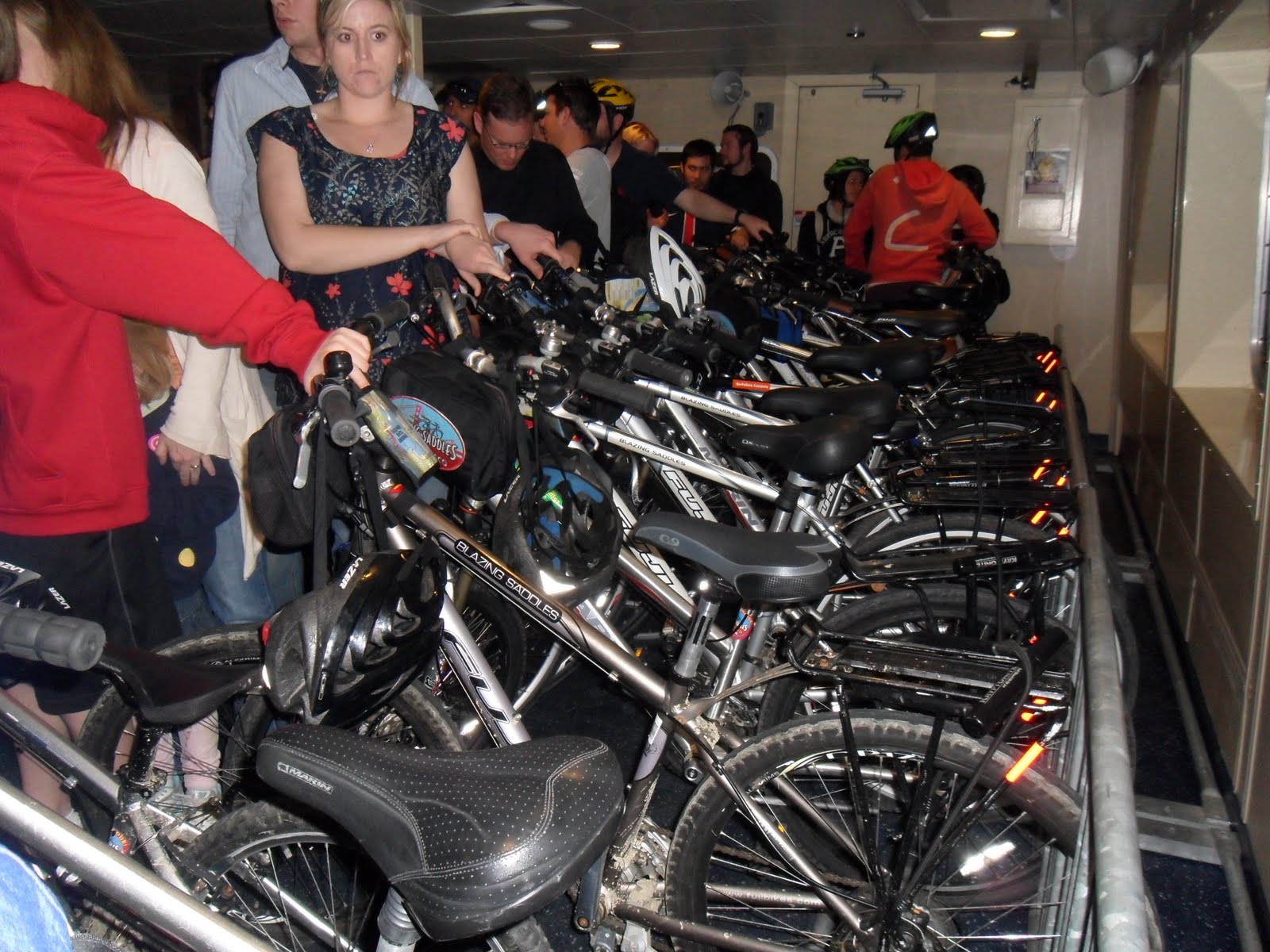
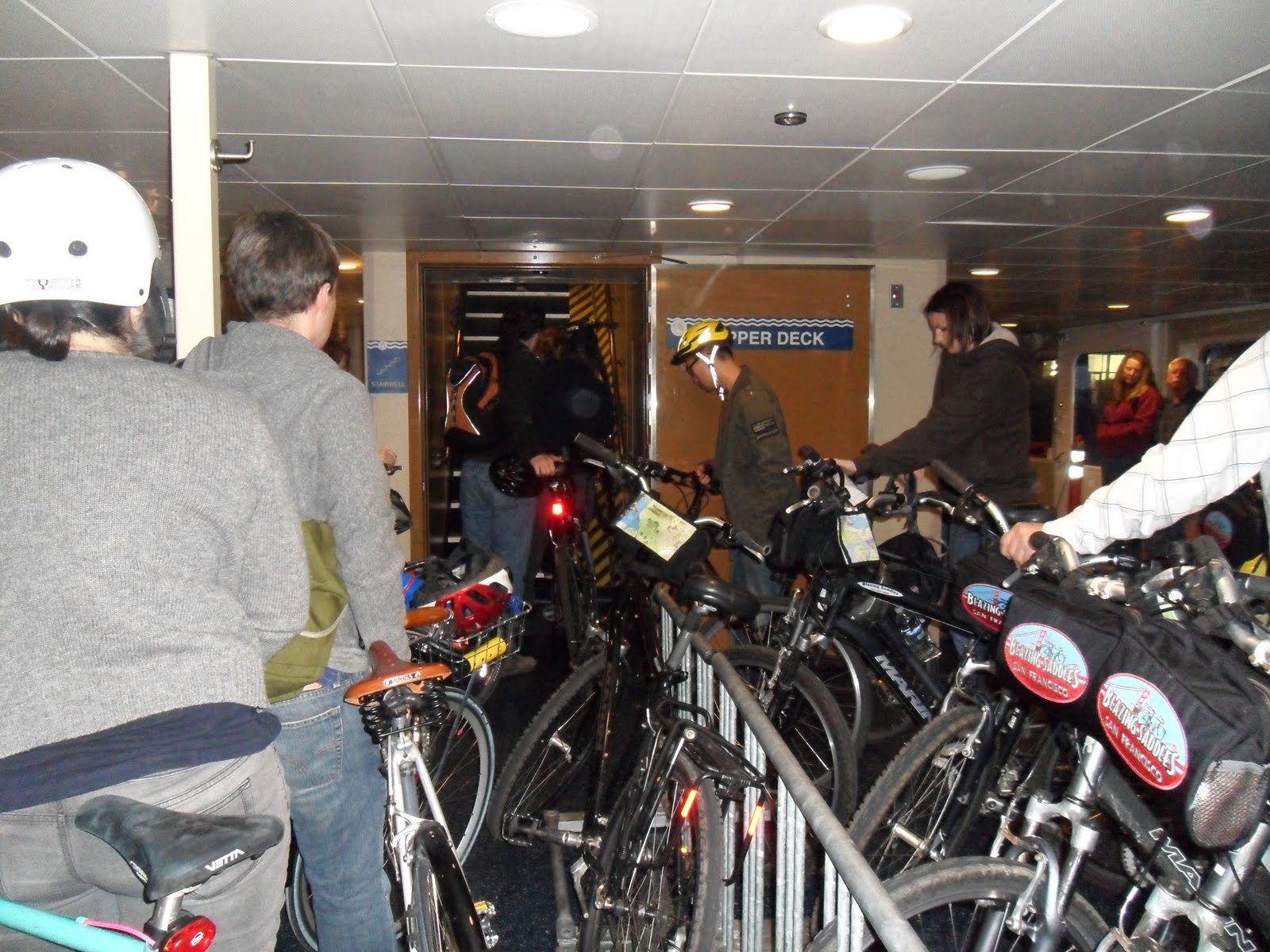
Smashed together in a pandemonium bike massacre onboard BLUE AND GOLD FLEET:

View from the front . . .

On ferries from Larkspur you can hang your bike on hooks on commuter ferries or stack them gently against the inside door with minimal interference on larger boats.

You’ll be instructed on what to do by crew members once you are onboard any ferry, but be prepared AND able to carry the weight of your bike up stairs should this be required of you.

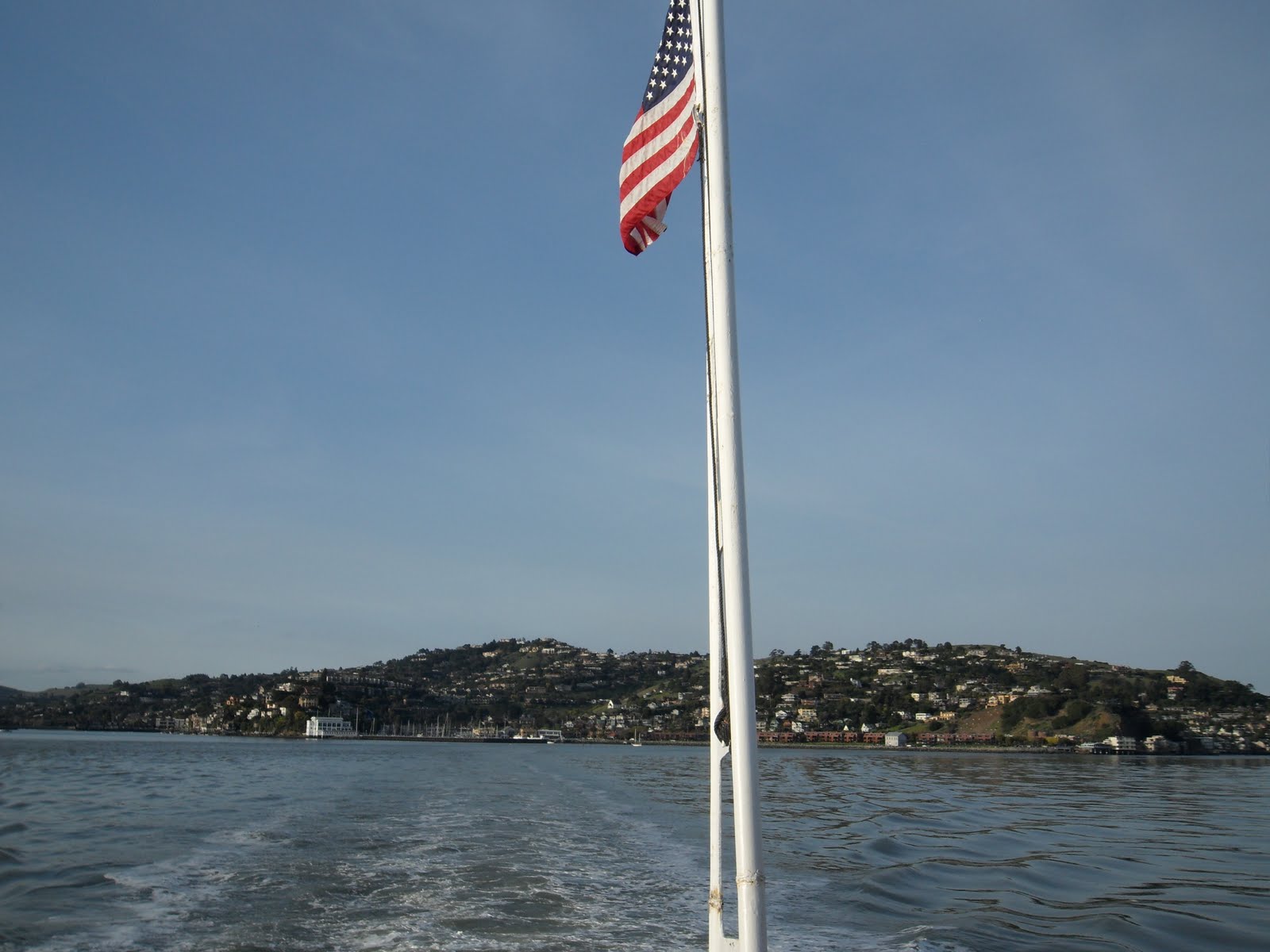
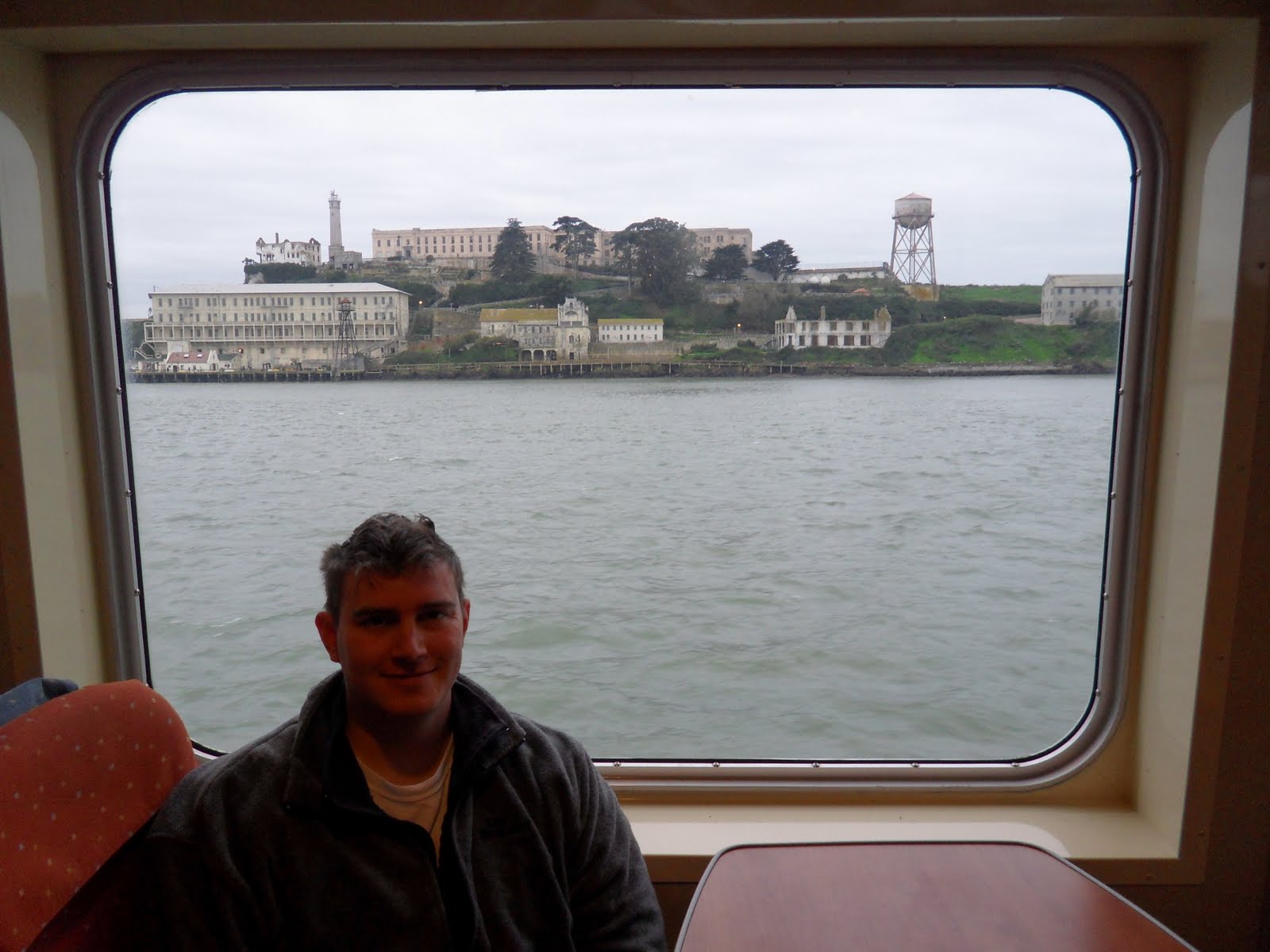
Once onboard it’s relax, unwind and enjoy the scenic ride back with an up close, intimate view of Alcatraz (without having to Escape), San Quentin (from Larkspur), Angel Island and the Golden Gate Bridge with a full bar at your disposal. Ahhhhhh . . .